Neuroplasticity 101: How Your Brain Rewires Itself
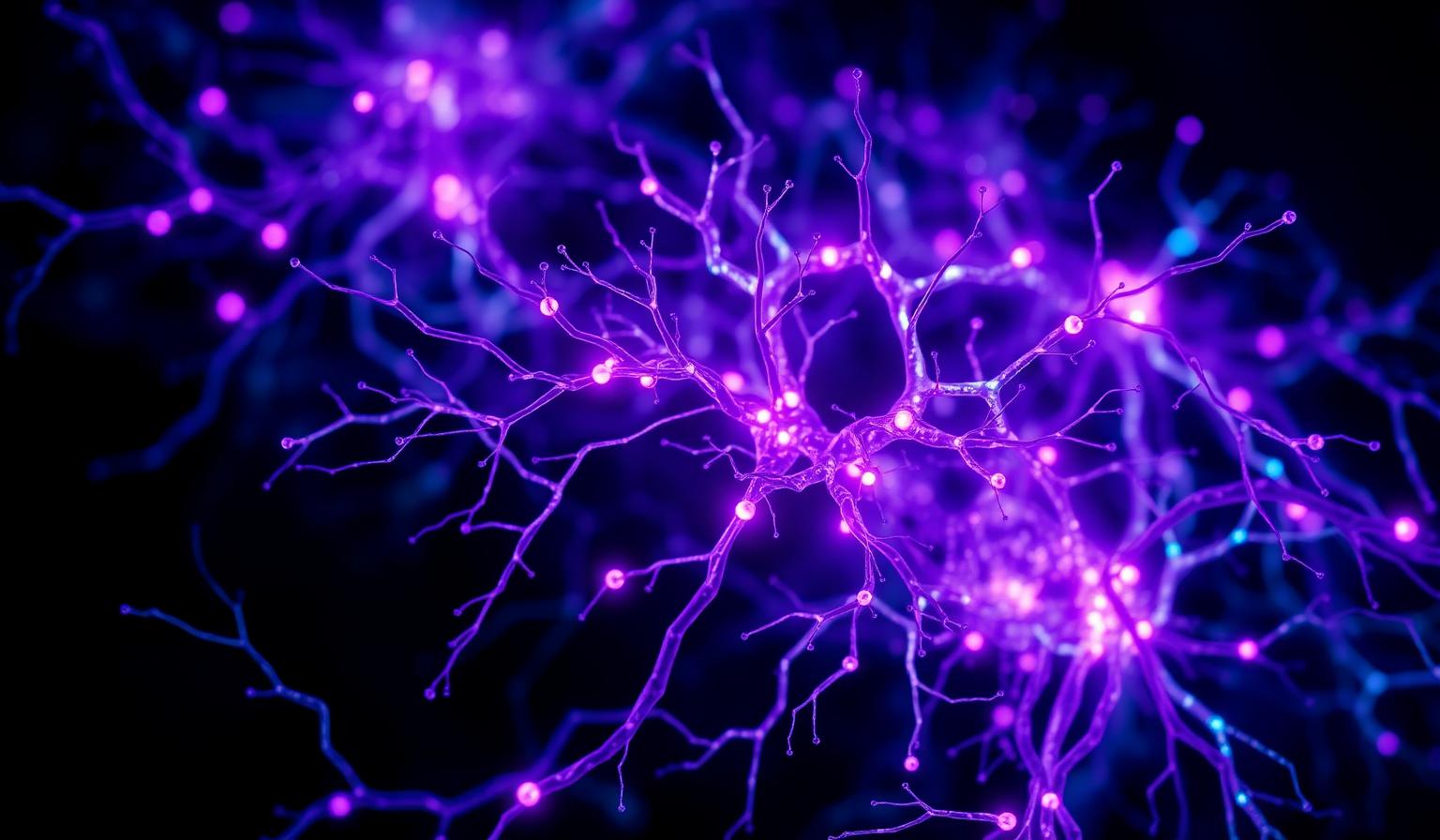
For most of the 20th century, neuroscientists believed the adult brain was essentially fixed — wired in childhood, frozen by your twenties. We now know that's wrong. The brain you woke up with this morning is physically different from the one you'll go to sleep with tonight. The question is only: who's doing the editing?
What neuroplasticity actually means
Neuroplasticity is the umbrella term for the brain's ability to reorganize its structure, connections, and function in response to experience. It happens at multiple scales — from individual synapses strengthening or weakening (Hebbian plasticity) to entire cortical maps shifting after injury or training.
Two mechanisms do most of the heavy lifting:
- Synaptic plasticity — connections between neurons grow stronger with repeated co-activation ("neurons that fire together, wire together") and weaker with disuse.
- Structural plasticity — actual dendrites, axon terminals, and even new neurons (in regions like the hippocampus) appear or retract over weeks of repeated experience.
Why this matters for stress
Chronic stress is not just a mood. It's a physical pattern. Repeated activation of the amygdala and HPA axis literally thickens certain stress circuits while pruning back regions like the prefrontal cortex that handle perspective and impulse control. Over months and years, this is why people describe feeling "wired differently" — they are.
The flip side is the encouraging part: the same mechanism runs in reverse. Consistent practice that down-regulates the nervous system — breathwork, mindfulness, deliberate recovery — strengthens the circuits that calm you and prunes the ones that keep you on edge.
The three rules of rewiring
1. Specificity
The brain rewires the exact circuit you train. Practicing focused attention strengthens attention networks. Practicing slow exhales strengthens vagal pathways. There's no general "calm muscle" — you build the specific one you use.
2. Repetition
A single 90-minute session does less than ten 9-minute sessions. Synaptic strengthening is driven by repeated activation across time, not by intensity in a single session. This is why short daily practice beats sporadic deep dives.
3. Salience
The brain prioritizes changes that feel meaningful. Practicing while distracted, half-engaged, or skeptical produces less plasticity than the same minutes spent with full attention. Presence is the catalyst.
How long does it take?
Functional changes — different reactions, calmer baselines — start showing up within 2–3 weeks of consistent daily practice. Structural changes (measurable differences in gray matter density in regions like the insula and prefrontal cortex) have been observed in MRI studies after roughly 8 weeks of 10–20 minutes per day.
That's the entire premise behind Calm Your Brain: short, structured sessions designed to satisfy specificity, repetition, and salience — the three things your brain actually needs to rewire.
Your nervous system is being trained every day by something. It might as well be you.
Ready to start? Try the free 90-second reset or explore the 21-day Premium trial.